
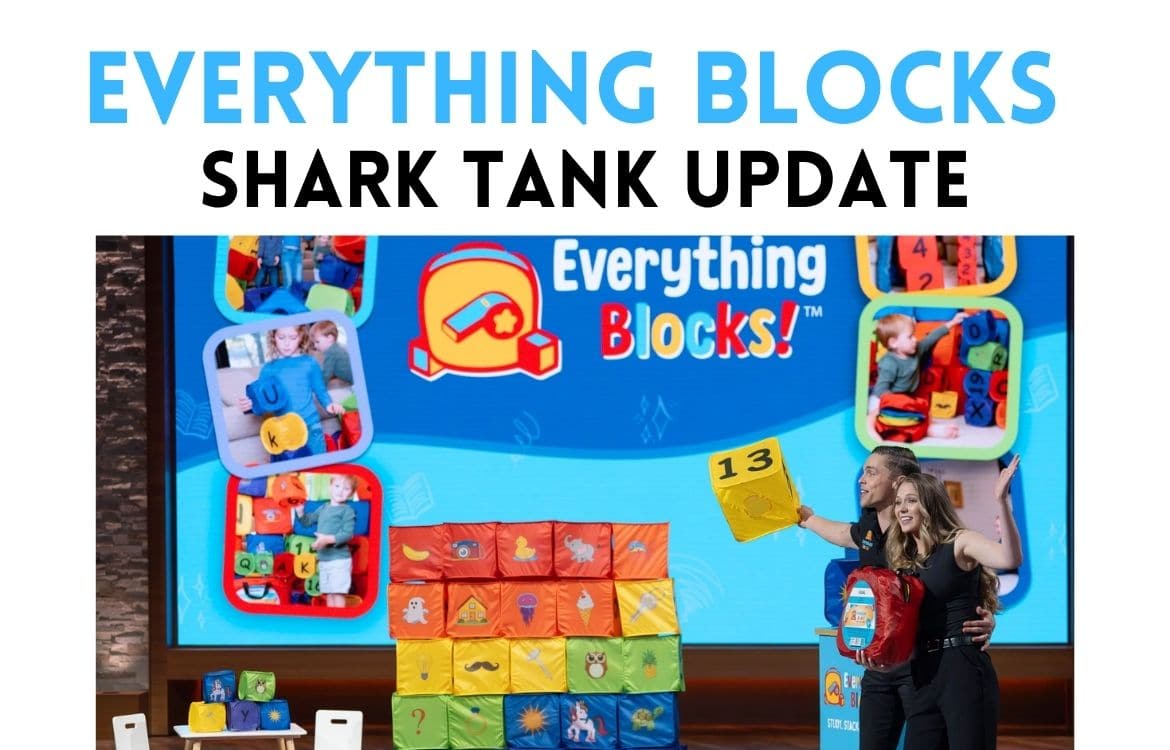
In today’s technology-driven world, children spend a significant amount of time on phones and tablets
This is a major concern for parents and teachers. Tim and Kaity recognized this problem and appeared on Shark Tank with an alternative to tablets, called Everything Blocks. This product is tactile, engaging, and designed for both educational and fun purposes.
They appeared on Shark Tank to show their product globally and protect kids aged 0 to 7 from excessive screen time, which is very harmful.
In this article, we will discuss whether this innovative product impressed the Sharks enough to secure a deal. We will cover their inspiration, backstory, product features, pitch, and what happened after Shark Tank.
Did Everything Blocks Get a Deal on Shark Tank?
No, Tim and Kaity did not secure a deal from Shark Tank. At the beginning, they asked for $100,000 for 10% equity. Sharks really liked their model because it is based on educational value, creativity, and strong early sales, but they did not think it was enough for investment.
Everything Blocks Shark Tank Deal Table
| Sharks Name | offer & Demand | Accepted? |
| Barbara Corcoran | Out | No |
| Kevin O’Leary | Out | No |
| Lori Greiner | Out | No |
| Daymond John | Out | No |
| William ( guest) | Out | No |
Founder’s Backstory
Tim and Kaity started their journey with 10 years of experience as gymnastics coaches. They became concerned about how children today spend so much time on screens and miss hands-on, tactile learning, which is very important for skill development, creativity, and literacy.
This concern became the foundation for creating Everything Blocks.
Everything Blocks Shark Tank Pitch
Tim and Kaity began their pitch by showing their gymnastics talent, which was a pleasant and exciting introduction. They explained how they came up with the idea for Everything Blocks.
The blocks include the alphabet and numbers from 0 to 20. The design is simple so kids can study while playing. This product is lightweight, portable, and shaped like a square balloon, which attracts children. Parents, concerned about screen time, are likely to purchase this product for their younger kids.
Shark Questions & Discussion
After the pitch, the Sharks asked questions to better understand the market and margins.
Lori Greiner was concerned about sales and whether customers were willing to pay a high price. Tim and Kaity replied that in the first 12 months after launch, they made $100,000, and in the next 12 months, they generated $352,000 in sales, which is impressive.
Daymond John asked about their personal investment in the business. They replied that they invested $40,000 from personal savings to transform their dream into reality.
Other Sharks also asked about scalability, manufacturing cost, and the high selling price.
Negotiation & Reactions
Even though the product is educational and fun, they did not secure a deal due to the following factors:
Scalability Concerns: Sharks were not fully convinced by early sales alone and wanted to evaluate long-term scalability.
Profit Margins: Lori was concerned about whether parents would consistently pay $70–$99 for the product, which is high for a new product.
Market Competition: The idea is unique, but the market already has many similar products.
Lori liked the product but felt it did not fit her investment portfolio. William mentioned he liked the idea because he has kids, but it was too early for him to invest.
Where to Buy Everything Blocks and Product Features
Everything Blocks is designed to provide a full tactile and educational experience for children aged 0 to 7.
- Stackable and easily foldable
- Comes with a storage bag
- Encourages letter recognition, motor skills, and creativity
The mini set costs $70, and the original set costs $99. Customers can buy it from the official website and follow updates on Instagram.
Why the Sharks Said No
The Sharks were impressed by the concept but felt the business was still in its early stages. They advised taking it slow, improving the product, pricing, and scalability to justify investment.
What Happened After Shark Tank?
Even though Tim and Kaity did not secure a deal, their appearance provided several benefits:
Brand Recognition: Millions of viewers saw the product, creating potential customers.
Validation: Sharks were interested in the product, but due to competition and pricing, it was too early for investment.
Growth Potential: Feedback from the Sharks helped them understand areas for improvement, potentially leading to better investment opportunities and expanded online sales in the future.
During the episode, when Daymond gave feedback, Tim initially took it personally. Barbara encouraged him, saying that feeling challenged can motivate improvement.
Conclusion
Although Tim and Kaity did not secure a deal, their journey highlights the power of innovation and persistence. Everything Blocks addresses a real problem by offering children a fun, screen-free learning experience.
With improvements in pricing strategy, scalability, and continued focus, the brand has strong potential for future growth. The Shark Tank experience provided valuable feedback to refine their product and achieve long-term success.
Feedback is one of the most powerful tools for growth. Parents seeking screen-free educational tools for their children are likely to buy this product.
It will be interesting to see how Everything Blocks grows in the future.

Hi, I’m Sandiya Kanwal! I’m in my final semester of my bachelor’s degree and I have a strong passion for sharing the inspiring stories of entrepreneurs. Writing for SharkTankInsights.com helps me explore how creative people turn simple ideas into successful businesses. I enjoy learning from their challenges, strategies, and achievements, and I love inspiring readers who dream of building something great.


